Tamil Nadu to Gopichand Academy: What Ananya Arun's Early Career Shows About the Training Commitment Required
At 15, Ananya Arun competed in the senior state ranking draw and won bronze. She had been at the National Sub-Junior Championship at 13. This is her documented trajectory, and what it shows about the training commitment that produces results like hers.
At the Tamil Nadu State Senior Ranking Tournament in 2025, Ananya Arun competed in the Women’s doubles draw. She was 15 years old. The senior category has no age ceiling. It includes players at every stage of a professional career. Ananya won bronze.
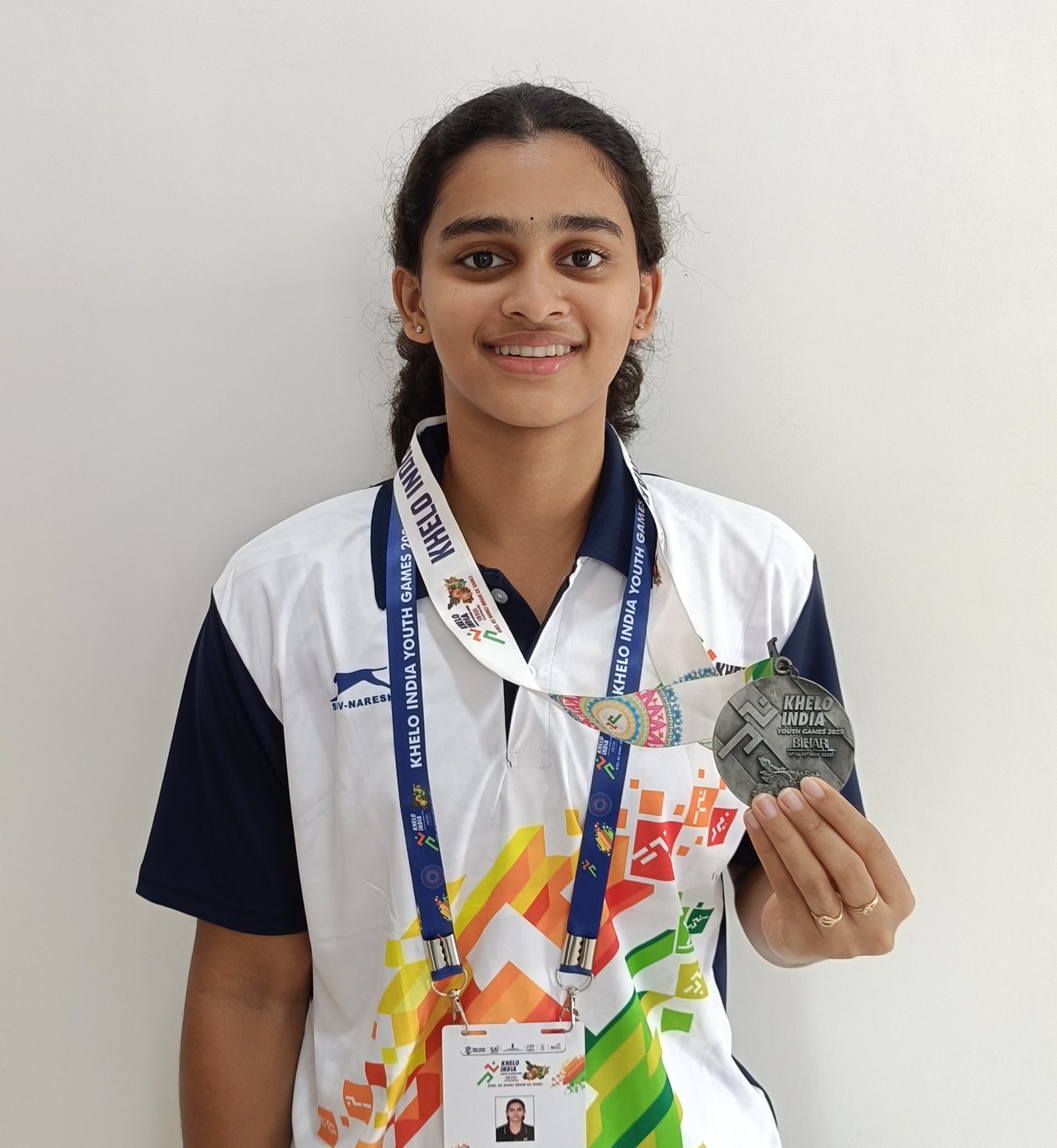
She had already won gold at the Tamil Nadu State Under-17 Championship in 2024, and gold again at the State Under-17 Ranking Tournament that same year. She had competed at the National Sub-Junior Badminton Championship in Bhubaneswar in December 2022, when she was 13. At the Khelo India Youth Games 2025, she was listed among Tamil Nadu’s competing athletes.
The progression from national sub-junior at 13 to winning a senior state title at 15 is not routine. This article documents what that trajectory looks like from the outside, based on publicly available records.
The Academy That Produced Saina and Sindhu
Ananya Arun trains at the Pullela Gopichand Badminton Academy in Hyderabad. This is the academy where Saina Nehwal and PV Sindhu developed during their formative years. It is not a standard coaching centre. It is a residential training environment built around professional coaching, structured practice sessions and a culture in which badminton is treated as a serious occupation from an early age.
Training at this level means leaving Tamil Nadu. Hyderabad is roughly thirteen hours from Chennai by rail. For a young athlete and her family, relocating or arranging residential training involves a reorganisation of ordinary life that is total, not partial. School has to be managed differently. Family routines change. Training sessions at this level typically run four to six hours daily, often split across morning and afternoon blocks.
The athletes who enter environments like this are typically doing so because the competition available at home (state tournaments, school and district meets) is no longer sufficient preparation for where they are trying to go.
What Her Competitive Record Shows
In December 2022, Ananya represented Tamil Nadu at the National Sub-Junior Badminton Championship in Bhubaneswar. She was 13.
In 2024, she won gold in Girls Doubles at the Tamil Nadu State Under-17 Championship and gold again in the same category at the Tamil Nadu State Under-17 Ranking Tournament. Both were at the top of the junior age-group structure.
In 2025, across two tournaments, she reached the podium three times: bronze in Under-19 Girls Doubles at the Tamil Nadu State Junior Ranking, bronze in Under-19 Mixed Doubles at the same tournament and bronze in Women’s Doubles at the Tamil Nadu State Senior Ranking.
The third result is the one that stands out. The senior draw is not a category she is expected to be competing in at 15. It includes adults who have been playing competitively for years. Reaching bronze at that level is not a fluent climb through age-group competition. It is a step up into a different category of challenge.
Tamil Nadu’s sports development authority, SDAT, formally acknowledged her results alongside other Tamil Nadu players competing at state level in 2025.
The Tamil Nadu Badminton Pathway
Ananya Arun: Career Timeline
NIOS enabled the training schedule that regular school could not accommodate.
Tamil Nadu has a structured badminton pathway that runs through the Tamil Nadu Badminton Association (TNBA) and SDAT. The state ranking tournaments and championship events provide the competitive calendar for junior players. TNBA maintains official rankings, and results at these events determine which players move through to national-level selection pools.
The national sub-junior championship is a separate and more significant step. Selection to represent a state at the national level requires a standard of play that the state-level tournaments identify. Competing there at 13, and then continuing to develop through the state senior draw by 15, indicates that the competitive preparation is working.
What the Gopichand Academy provides is access to training partners and coaching at a level that is not available at most state-level programmes. Players at the academy train alongside and against people who are better than them. That is the specific function the environment serves: it keeps the ceiling above the athlete’s current level, so there is always something to reach for.
What School Looks Like
The specific details of how Ananya Arun manages her education alongside her training programme at Gopichand Academy are not available in public sources at the time of writing. No interview or profile documents her schooling arrangements.
What is established from the competitive record is that training has not stopped and development has continued. For athletes at residential academies in India, the most common academic arrangements are NIOS (National Institute of Open Schooling), which allows examination on a flexible schedule, or school programmes affiliated with the academy that accommodate a full training load. Which of these applies to Ananya is not in the public record.
What can be said from her results is that the dual commitment of academy training and academic qualification is being managed, because the athlete is still developing and competing.
What the Trajectory Tells Us
Ananya Arun is 16 as of mid-2025. She is a doubles specialist working through the Tamil Nadu and national sub-junior competitive structures. She competes in both Girls Doubles and Mixed Doubles, which indicates she is developing the range of positioning, communication and tactical reading that doubles at senior level requires.
Doubles badminton asks for specific things. Singles is about individual execution. Doubles requires real-time coordination with a partner under match conditions, split-second decisions about coverage and anticipation of an opponent’s response to your partner’s shot, not just your own. The fact that she is competitive in both formats at the senior state level suggests the tactical development is happening alongside the physical and technical work.
Leaving Tamil Nadu to train at a professional academy at a young age has produced results that justify the commitment. What this trajectory holds beyond 16 is not possible to predict from a public record alone.
What to Do This Week
If you are a young badminton player in Tamil Nadu or any South Indian state and are thinking about what a serious development pathway looks like:
- Register for the next Tamil Nadu Badminton Association ranking tournament at your age group. The TNBA website (tnba.co) lists the competition calendar. Competing in ranked events is the documented path into state and national selection pools.
- Research the Pullela Gopichand Badminton Academy's selection and admission process. The academy has published criteria for trials. Know the age window and the standard required before it closes for your age group.
- If relocating for training is part of the plan, go to nios.ac.in and specifically read about the On-Demand Examination system before making that move. Flexible exam scheduling is what makes full-time training at a residential academy compatible with continuing your education.